
How to Handle Hidden Water Damage in Arizona Homes
Arizona’s dry air tricks people into thinking water damage is a coastal problem. It isn’t. I’ve opened baseboards in Scottsdale and found mold blooming behind crisp paint, lifted tile in Chandler and watched water wick up the drywall like a coffee stain, and chased pinhole slab leaks that fed ant trails for months without ever wetting the carpet. The state’s aridity hides moisture more than it evaporates it. When water gets into a concealed cavity in a hot, air-conditioned house, it can sit in that cooler pocket for weeks. By the time you see a swollen baseboard, the damage has usually been at work for a while.
The good news is that you can learn to read the subtler signs, move quickly without making it worse, and decide when a professional is necessary. A little context about how Arizona homes are built helps you go straight to the likely culprits.
Why hidden water damage is common here
Most production homes in the Valley sit on post-tension slabs with stucco exteriors, cementitious tile or asphalt shingle roofs, and copper or PEX supply lines. The envelope is tight to keep conditioned air inside, which is perfect for comfort and energy bills but creates pockets where moisture can linger. Split-system air conditioners wring humidity from the indoor air, so a slow leak may never feel damp to the touch, only slightly cool. With low outdoor humidity, wet materials can dry at the surface while staying damp internally. That hides a problem behind flat paint and crisp joint lines.
During monsoon season, wind-driven rain exploits weak stucco cracks and roof transitions. In winter, long runs of hot copper pipe in slabs cause tiny expansions and contractions that can open pinholes over decades. In all seasons, back-to-back wet walls around kitchens and bathrooms concentrate risk. The materials used in these assemblies behave differently in our climate. OSB sheathing softens quickly with repeated wetting. Paper-faced drywall becomes mold-friendly within 24 to 48 hours of sustained moisture. Vinyl plank and laminate flooring trap moisture beneath them because they are nearly vapor-tight.
Understanding these tendencies lets you narrow your search when something looks off.
Telltale signs you can’t ignore
A house whispers before it shouts. Hidden water damage often announces itself in ways that seem cosmetic.
Look for baseboards that separate from the wall or show a slight wave along a long run, especially behind refrigerators, under kitchen sinks, and in powder rooms. In sunlight, the paint may flash dull along a strip at the base, a sign that MDF has swelled and tightened the paint film.
Pay attention to floor transitions. A single cupped board in an otherwise flat engineered wood floor near a dishwasher is suspicious. With tile, hairline grout cracks that follow a line rather than a random pattern can hint at movement from swelling subfloor or expansion of wet thinset.
Smell matters in Arizona because most houses don’t carry that baseline dampness you might find in coastal areas. A closet that smells sweet or earthy after the AC has been on all day deserves a closer look. A return-air closet with a musty smell points to a condensate drain issue or a slab leak near the air handler.
Watch your utility bills. A water bill that jumps 20 to 40 percent without an obvious reason often means a hidden supply leak. Irrigation leaks also do this, but those tend to create lush patches or muddy zones in a yard. Inside, slab leaks often leak straight to the soil, so you won’t see pooling.
Thermal comfort shifts offer clues. A corner of a room that feels cooler and slightly clammy compared to the rest of the house can indicate evaporative cooling from wet building materials. This shows up often behind showers where a failed grout line allowed water to reach the backer.
Finally, listen. In a quiet house at night, a faint hiss from a wall can be a pressurized supply leak. You usually won’t hear drain leaks until fixtures run, and even then it’s more of a drip-tap rhythm. A constant hiss leans toward a supply issue.
The usual suspects by location
Patterns help. After years in Arizona houses, I check specific spots first because they fail the same way again and again.

Around refrigerators, lines that feed ice makers and dispensers are infamous. The plastic tubing kinks when the fridge is pushed back, then splits. Most of these leaks are small and intermittent, sending water under the vinyl plank or across a slab to a baseboard. If you see a hazy edge where the cabinet toe-kick meets the floor, slide the fridge out and inspect the line and shutoff valve.
Under kitchen sinks, pull everything out and look for mineral trails on angle stops and along the underside of the faucet deck. Run hot water and the dishwasher, then check the P-trap connections. In Arizona’s hard-water areas, compression fittings crust with calcium and then weep. It is common to find the back corner of a sink cabinet swollen and crumbly long before the face frame shows anything.
Dishwashers leak at the door gasket and where the drain line meets the garbage disposal. The rubber hose hardens and cracks near the clamp. Remove the bottom toe-kick and look for dried soap trails or faint rust on the machine’s frame. Most dishwashers sit on a slightly recessed platform, which hides early leaks until the water migrates elsewhere.
Bathrooms tell their stories at the corners. At showers, check the outside corner where the curb meets the wall. If paint bubbles or hairline cracks appear two to eight inches above the floor outside the shower, water is probably getting past the tile assembly and wicking into the drywall. With tubs, flexing at the drain can open a gap and leak into the adjacent wall cavity. Look in the room behind the tub for a baseboard stain or soft drywall.
Laundry rooms often hide issues because hoses sit out of sight for years. Supply lines to washers should be braided stainless, not rubber. Also check the washer drain standpipe. In houses with high-efficiency washers and long drain runs, the standpipe can burp and splash, which looks like a slow leak.
HVAC systems cause water damage more than people realize. In attics, secondary drain pans under air handlers fill if the primary condensate line clogs. There is usually a float switch, but they fail or are wired incorrectly. A ceiling stain the size of a dinner plate under a supply vent often traces back to the attic unit. In closet units, algae in the condensate line restricts flow and backs water into the pan, which then overflows to the floor.
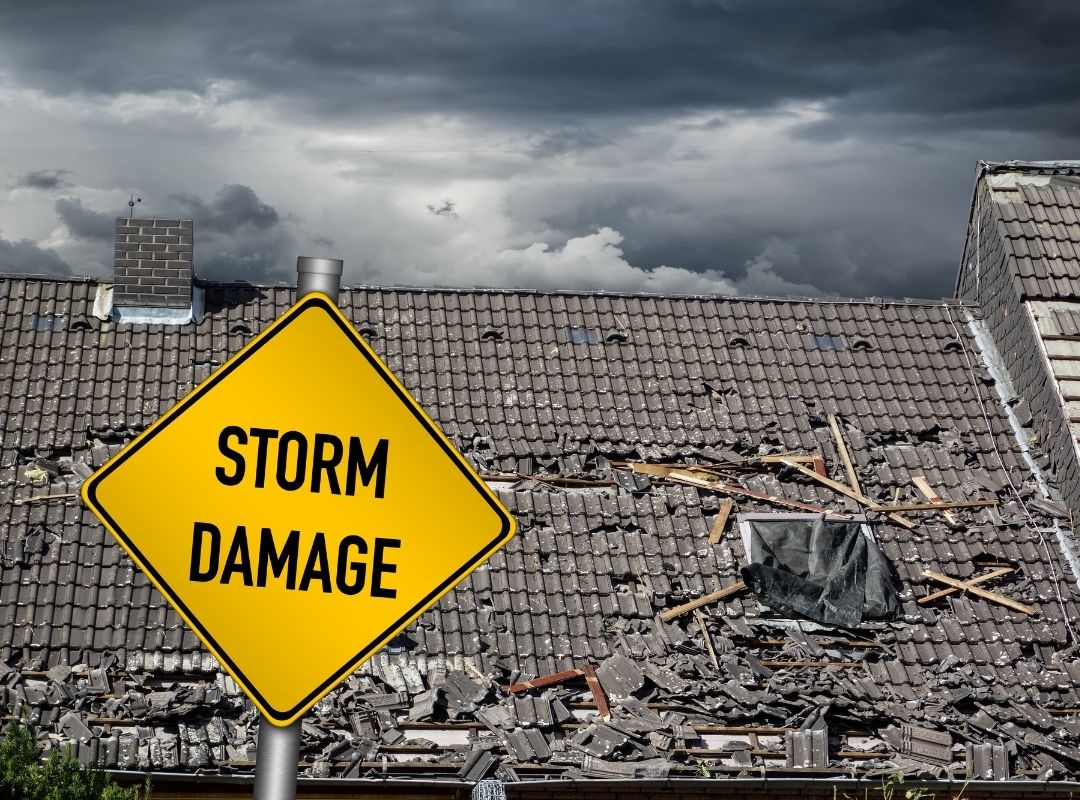
Windows and stucco cracks become problems during monsoon storms when wind drives rain horizontally. The sealant joint around window frames shrinks over time. Water enters, follows the flange, and appears as a faint brown arc on the drywall under the sill days later. Stucco hairline cracks are common and not always a concern, but any crack wider than a credit card edge or that aligns with roof-to-wall transitions deserves sealant and inspection.
Finally, slab leaks. In Arizona, copper lines are often run under slabs. Over decades, areas with soil movement or chemical interaction can develop pinholes. These leaks may never surface. Clues include a warm floor area where hot water lines run, constant water meter movement when fixtures are off, or ants drawn to a persistent moisture source near a baseboard.
What to do in the first hour
Speed matters, but so does restraint. The worst early mistakes are tearing into walls blindly or shutting off power without understanding what circuits feed critical equipment like refrigerators or medical devices. The goal is https://maps.app.goo.gl/8tnm7wBtN79VRNrP8 to stop active water, stabilize the area, and start evidence gathering.
If maps.app.goo.gl water is actively flowing from a fixture or supply line, turn off the closest shutoff valve. If you cannot find it or it fails, use the main shutoff at the street or on the house side of the water meter. Open a hot and a cold faucet to relieve pressure. If a water softener or filtration loop is present, consider the bypass to keep internal pressure off those components.
Unplug electronics in the affected area only if it is safe to do so without stepping into pooled water. If ceiling fixtures are wet or you see sagging drywall, avoid switching anything on or off and keep people clear until you can confirm electrical safety.
Move rugs, furniture, and boxes. Even on a slab, water spreads fast in all directions across the finished floor, then wicks under baseboards. Create airflow with fans and open windows if the outdoor dew point is low, which it usually is outside of monsoon storms. Do not blast air into a cavity you suspect is wet, like a wall, without first removing baseboards or cutting weep holes. Pressurizing a wet wall with no exit just drives moisture deeper.
Document what you see. Take photos of stains, swelling, and meter readings. If a vendor serviced a unit recently, save their paperwork. This record helps if insurance gets involved and also gives you a baseline to compare after drying.
If the leak is minor and you feel confident, you can make surgical openings. Remove a baseboard and cut a small 2 by 4 inch inspection slot near the bottom of the drywall. This lets trapped water drain and lets you check the cavity with a flashlight. Keep the piece you cut out and label it with location and date. You will thank yourself later when patching.
Moisture detection without fancy tools
You can learn a lot with a hand and a bit of patience. Run your palm along baseboards. Swollen MDF feels slightly spongy and cool. Tap drywall lightly with your knuckle. Drywall that has absorbed water dulls its sound and loses some rigidity. Compare the sound to a known dry area.
For a simple gauge, buy an inexpensive pin-type moisture meter from a big-box store. It won’t be as accurate as a pro tool, but it will tell you if readings run higher in one spot than another. Take multiple readings in a grid, and write numbers directly on blue painter’s tape at each spot. You are looking for a pattern. If the highest readings are concentrated along one wall behind a kitchen sink, that guides your next move.
Another trick is to tape a small square of aluminum foil to a suspect spot on a wall for a few hours. If condensation forms on the inside face, moisture is migrating out of the wall. If the outside of the foil is wet but the inside is dry, the dampness may be from the room, not the wall, which is rare in Arizona except during monsoon humidity spikes or after running a humidifier.
Check your water meter. With all fixtures off, watch the small triangle or star-shaped flow indicator on the meter. If it spins, you have a supply leak. If it is still, wait 10 minutes and check again. Some leaks are slow enough to move the register only over time.
Drying in a desert is trickier than it sounds
Many people assume our air will cure all. Drying is a physics problem, not a climate wish. You need vapor pressure differences, airflow across wet surfaces, and a path for moisture to leave cavities. If the surface has dried and sealed, trapped moisture remains.
Once you’ve stopped the source, remove materials that trap water. Pull baseboards that have swelled. If vinyl plank or laminate has cupped and is floating, remove affected planks to let the slab breathe. With tile, you cannot remove a few pieces cleanly, but you can remove grout lines at the perimeter to create a vent path. If drywall is wet at the bottom, cut a straight line 2 to 4 inches above the highest wet reading to create a flood cut. In Arizona, flood cuts this small often dry the cavity quickly because ambient air is dry.
Use fans to move air across the wet surfaces, not randomly blowing around the room. A box fan aimed along the base of a wall works. A dehumidifier helps even here. During monsoon, indoor humidity can rise into the 50 to 60 percent range, which slows drying and feeds mold. A mid-size dehumidifier pulling 30 to 50 pints per day will drop RH and speed evaporation. If you have central AC, set it colder than usual for a day or two, since colder coils remove more moisture from the air. Watch for condensate line backups when you do this.
Discard materials that do not recover. MDF baseboards that have swelled will not flatten. Paper-faced drywall that stayed wet for more than a day or two is a mold risk. Insulation that got wet in a wall cavity tends to slump. With batts, remove anything that feels damp. With blown-in cellulose, you will need to open sections and vacuum it out.
Odors lag behind drying. A slight musty smell after you remove wet materials can persist for a week. If smell remains after the space is dry by meter, you may have missed a hidden pocket, often at the bottom plate behind cabinets. Professionals use negative air machines and wall cavity drying systems for this reason. For a homeowner, patience and airflow are your allies, but trust your nose.
When to bring in a professional
The line between a DIY fix and a professional job is about risk, not just skill. If any of the following is true, you will save money in the long run by calling a specialist.
- You suspect a slab leak or hear a constant hiss with no fixtures running.
- There is ceiling sag or water near electrical fixtures.
- Affected area includes more than one room or multiple material types, like tile and wood.
- You see visible mold growth larger than a handprint.
- Water came from a drain line carrying gray or black water.
Leak detection companies in Arizona use acoustic equipment, infrared cameras, and pressure testing rigs. They can isolate a slab leak to a zone small enough to justify a spot repair, or they might recommend a reroute if the line shows multiple weak spots. Roofers with monsoon experience know which flashings fail in this climate. Restoration contractors can map moisture and set up containment and drying equipment that gets you back to normal faster and without over-removing materials.
If insurance may be involved, bring a mitigation company in early. They document moisture, take thermal images, and write estimates in the software insurers expect. It reduces friction and shortens claim timelines. Keep in mind most policies cover sudden and accidental water discharge from a plumbing failure, but they rarely cover long-term leaks or exterior water intrusion unless endorsements are in place. If a claim is likely, avoid preemptively repairing the leak without photos and documentation, and save failed parts like a cracked supply line.
Arizona-specific pitfalls to avoid
I see the same avoidable mistakes repeatedly.
People inject expanding foam into stucco cracks. That traps moisture behind the finish and shows through the paint as a bump. Stucco cracks should be cleaned and filled with a compatible elastomeric patch, then topcoated with an elastomeric or high-quality exterior paint. Around window and door perimeters, use a sealant rated for stucco and UV exposure, not generic latex caulk.
Homeowners tear out tile in a panic. Tile hides water beneath it, but it is also a great finish after proper drying. Before demolition, have someone check moisture levels at the slab and within the thinset. Often you can dry through the grout lines or at the edges without destroying a whole floor.
Hot attics make people think anything wet will evaporate through the ceiling. In reality, if you have wet insulation from a roof leak, it needs to come out. Fiberglass batts hold water long enough to stain drywall and feed mold on paper facers. In July, attic temperatures above 120 degrees can kick odor out of small problems.
Contractors overspray elastomeric roof coatings onto parapet walls without addressing failed scuppers or transitions. That looks like a fix, but water still finds its path and now dries slower. If you see a recurring stain below a flat roof parapet, insist on a water test and inspection of scuppers, cricket slopes, and wall-to-deck flashings. A coating is not a flashing.
People shut off irrigation for weeks to find a leak, then kill mature trees whose roots were stabilizing soil near the foundation. Drying soil shrinks and can stress slab plumbing. A better plan is to isolate irrigation zones or pressure-test the landscape system separately.
Repair choices that hold up in this climate
When you rebuild, choose materials and details that forgive small mistakes and resist Arizona’s cycles of heat and dryness.
Replace MDF baseboards with finger-jointed pine or PVC in bathrooms, laundry rooms, and kitchens. They cost a little more but tolerate occasional wetting without swelling. Use a paint with a hard enamel finish on trim, which resists moisture and cleans easily.
Behind tile, use cement board or a foam backer with a waterproof surface, and then add a continuous waterproofing membrane on the shower side. Grout and tile are not your water barrier. Ask your tile setter how they will tie the waterproofing into the drain and up the walls. At curbs, insist on a full wrap with no staples through the top of a membrane.
For supply lines, braided stainless hoses at appliances are not optional. Replace them every five to seven years. If your house has polybutylene or very early PEX, consider repiping a section at a time as you renovate. In attics, insulate and support PEX lines to minimize chafe.
On roofs, spend money at transitions, not on a thicker coating alone. Around skylights, HVAC curbs, and parapets, upgrade flashings and ensure positive drainage. After any roof work, schedule a hose test on a dry day with someone inside watching.
At windows, remove and replace failed sealant joints rather than smearing new over old. Backer rod and a proper joint profile matter in our heat, where sealants shrink. If you are repainting stucco, an elastomeric topcoat bridges hairline cracks and gives you extra time before the next maintenance cycle.
Inside, choose flooring that reveals leaks early. In kitchens, consider tile or glued-down engineered wood rather than floating laminates. If you love vinyl plank, pick a product with removable planks and install with attention to sealing around wet areas, knowing you may pull a few planks one day to dry a slab.
Working with insurance without losing your mind
Arizona claims adjusters see a lot of supply-line failures and AC condensate overflows. They also see long-term leaks behind showers and denied claims for maintenance issues. Frame your claim accurately. “The refrigerator line burst on Saturday” is different than “We noticed a smell last year and finally opened the wall.” Be truthful, but be specific about the sudden event if one occurred.
Document mitigation. Insurers expect reasonable steps to prevent further damage. That means turning off water, extracting standing water, removing wet materials that cannot be salvaged, and starting drying. It does not mean rebuilding the kitchen before an adjuster can visit. Keep receipts for fans, dehumidifier rentals, and temporary accommodations if necessary.
Understand coverage. Personal property like rugs and furniture may be covered separately from the structure. Code upgrades, like adding GFCI protection or changing materials to meet current standards, may require a code upgrade endorsement. Ask directly. If you get multiple contractor estimates, make sure they scope the same work. Comparing a tear-out-and-replace bid against a targeted dry-and-repair bid is apples to oranges.
Preventive habits that actually work here
Prevention is not glamorous, but it is cheaper than a second claim. A few simple routines match our climate and construction.
- Replace appliance supply hoses on a schedule and inspect shutoff valves for crusting each season.
- Vacuum the AC condensate line at the exterior cleanout twice a year, then pour a cup of vinegar down the interior drain to discourage algae.
- Walk the exterior after the first big monsoon rain, looking under windows and along stucco cracks for damp spots. Mark them with chalk to see if they return on later storms.
- Check your water meter monthly. With everything off, confirm the flow indicator stays still. If it moves, start isolating fixtures or call for a pressure test.
- Pull the fridge forward, run the ice maker, and watch the line while someone gently pushes the unit back. If the line strains or kinks, reroute it or install a box with a recessed valve.
A note on mold in the desert
Mold needs moisture, organic material, and time. Arizona only spares you the humidity part. The other two are plentiful. Paper on drywall and dust in cavities are food. If you catch a leak quickly and dry within 24 to 48 hours, visible mold growth is unlikely. Once growth is present, it is about containment and removal, not magic sprays.
Small patches on non-porous surfaces can be cleaned, but porous materials that grew mold should come out. If the area is larger than a couple of square feet or is in a complicated space like an HVAC closet, hire a remediation contractor. They will set up negative air containment, remove affected materials, clean with HEPA vacuums, and verify with moisture readings. In Arizona, I have seen many “clean” repairs that failed because the bottom plate or the back of baseboards were left moldy while the visible drywall looked new.
Knowing when enough is enough
Perfection is expensive. Your goal is a dry, sound assembly that won’t surprise you later. If moisture readings return to baseline, odors are gone, and you have addressed the source, you can close up with confidence. If you still have that nagging cold spot or a bill that creeps, keep looking. Slab leaks and roof details sometimes take more than one attempt to solve.
Hidden water damage in Arizona is not a rare catastrophe. It is a maintenance event waiting on everyone’s calendar. The houses we live in are good at hiding problems. They are also good at telling the truth if you know where to listen and what to touch. With a few tools, a calm first hour, and the willingness to remove a baseboard or two, most homeowners can catch damage early and keep a manageable headache from becoming a structural problem. And when you need help, choose pros who understand how this region’s materials, weather, and construction methods interact, because that is what turns a fix into a lasting repair.
Select Adjusters LLC
2152 S Vineyard #136, Mesa, AZ 85210
+1 (888) 275-3752
info@selectadjusters.com
Website: https://www.selectadjusters.com