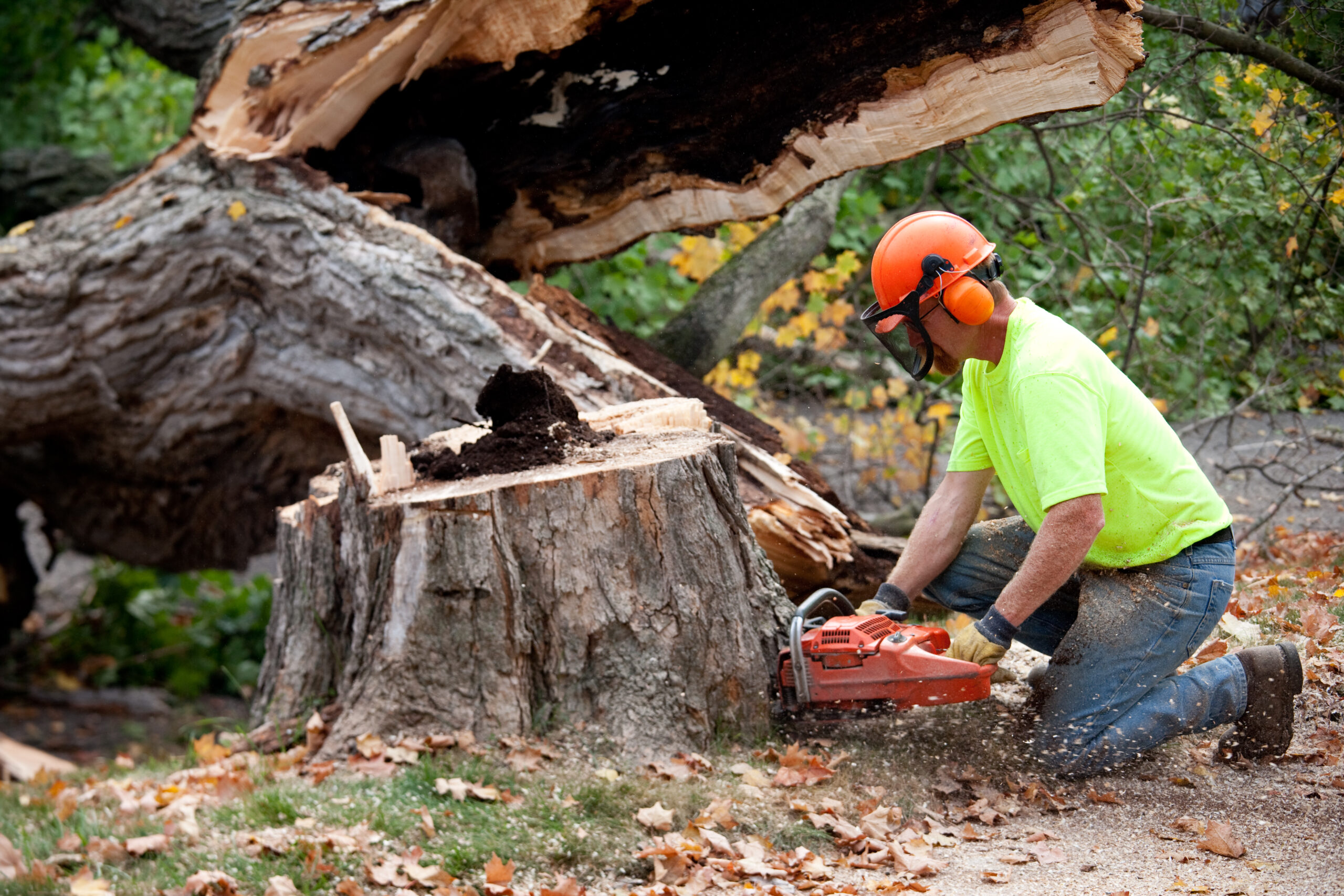
Tree Service in Shakopee: Safe Trimming and Healthy Growth
Living in Shakopee means your yard has to work through four very different seasons, and trees feel every change. In spring you get the push of new growth, in summer the canopy thickens and shades everything, in fall limbs fill with leaves that have to be handled, and in winter you find out which branches were already weakened before the first hard freeze.
A tree service in Shakopee is not just about making things look tidy. The real goal is safer yards, healthier trees, and fewer surprises during storms and high winds. When trimming is done with the tree’s biology in mind, you can reduce risk while keeping the shape and structure that make your landscape feel established.
The real reason trimming matters here
If you have lived through a couple of Midwestern storm seasons, you already know how quickly a “small” problem turns into cleanup day. A branch that’s rubbing against another branch, a limb with included bark, or a dead section you missed behind the shrub line can turn into a snapped limb the first time winds swing hard. Most damage happens when stress builds quietly and then releases suddenly.
Safe trimming is also about what you are not removing. Many homeowners think trimming means cutting “off the extra.” But trees do not heal like grass. They compartmentalize. The cuts you make today determine where the tree can seal over wounds, how much stress it has to absorb, and whether decay gets a path into the trunk or main limbs.
In Shakopee, that matters even more because winter storms and freeze-thaw cycles can stress already compromised structure. A healthy cut, done at the right time and in the right place, reduces the chance of long-term issues that show up years later.
How to tell when your trees need professional attention
Sometimes the need is obvious: a dead limb hanging over a driveway, branches crossing power lines, or a trunk with visible cracks. Other times, it is subtle. I have seen trees that look fine from the street but have structural problems on the back side where growth is crowded and air does not move through.
Here are signs I look for during routine yard work calls, especially when I am coordinating trimming with other landscaping service tasks:
- deadwood that flakes or snaps easily when lightly probed
- limbs with swelling at the base, or “u-shaped” attachments that look tight but are actually weak
- bark that looks like it is peeling in strips along a branch union
- canopies that are thinning from one side, suggesting hidden stress in the root system or trunk
- branches leaning closer to structures than they did a year ago
If one or more of those shows up, it is worth getting an on-site assessment rather than waiting for the next storm.
Safe trimming starts with the structure, not the ladder
A safe trimming job begins with questions a lot of homeowners never ask themselves. How is the branch attached to the main limb? Is the weight balanced? Is the tree forming a tight “V” union or a weak, overlapping attachment? Are you removing too much leaf area, which can stress the tree?
The basic principle is that the tree’s strength comes from its architecture: trunk, scaffold limbs, and the way branches branch. When a trim plan respects that structure, you get a canopy that stays stable over time. When the plan is about removing what looks messy without considering attachments, you can create new weak spots or stimulate heavy regrowth in ways that are hard to manage.
From the ground, a canopy can look overgrown and thick in exactly the wrong way. A good crew does not just cut longer branches back. They identify the main limbs that define the shape and reduce risk by removing problematic limbs, crossing branches, and weak growth that increases friction points during wind.
Timing matters in Shakopee winters and springs
Trimming is not one single season for everything. Here is the trade-off I see constantly: homeowners want it done right away because leaves are annoying, limbs are blocking sunlight, or the tree looks messy. But the tree’s response depends on timing.
For many common reasons, trimming in late fall to early spring can be a good window for structural work because you see the scaffold framework better, leaves are gone, and you can evaluate lines clearly. At the same time, winter trimming may not be ideal for all situations, especially if the tree is already stressed from drought or if cold snaps make a clean cut harder to manage.
Spring and summer trimming can be a better choice for certain concerns because the tree can respond with faster growth and healing, but it also means you have less “visibility” into the true branch structure. In practice, a professional tree service in Shakopee uses timing based on species, the goal of the trim, and the tree’s condition.
If you are also maintaining lawn care Shakopee schedules, the timing has an added layer. Spring cleanup often overlaps with fertilizer planning, mowing routines, and edging work. If you cut too early and leave debris unmanaged, it can create extra workload for your lawn mowing service Shakopee routines. Coordination helps keep the yard from turning into a rolling mess of branches, sawdust, and leaf buildup.
The difference between “a haircut” and a real pruning plan
People say “haircut” because it sounds friendly, but pruning is closer to editing a document than styling hair. You want the tree’s future growth to follow your intent, not fight it.
A pruning plan usually considers:
- which branches are safe to remove immediately versus those that should be reduced more carefully
- whether the cut should redirect growth, reduce weight, or open airflow
- whether thinning a canopy will help light and reduce internal dieback
- how to preserve enough leaf area so the tree does not get stressed into producing weak, fast regrowth
One of the most common mistakes I see is “topping.” It creates a flush of new shoots, but the new growth often attaches weakly. It also changes the way the tree loads wind and can increase risk in the next storm cycle. Even when the intent is to control height, topping is usually not the way to do it if you want long-term health.
How trimming helps both trees and your landscape design
A tree’s health affects everything nearby. Canopy density changes how much sunlight hits your lawn, how quickly a flower bed dries after rain, and even how you can place landscaping elements.
That is where tree trimming connects directly to landscaping design installation Shakopee style projects. If you are building out beds, adding planting islands, or reworking edges along walkways, tree canopy management can make the difference between plants thriving and plants struggling.
For example, a mature tree that throws heavy shade may suppress grass. Instead of forcing grass to compete, the better approach is to adjust the light conditions, prune selectively, or choose shade-tolerant plantings. When trimming opens a canopy by even a small amount, the change can be dramatic. I have watched “almost dead” plantings come back after a careful lift and selective thinning, mostly because airflow improved and the soil dried a bit more.
Edging also matters. Landscaping edging Shakopee MN yards often rely on clean line definition so beds look intentional. When tree trimming is done with awareness of roots and trunks, it prevents future mowing headaches. Raked leaves collect in edges and under trunks, and without a plan, you can end up constantly redistributing mulch and re edging around the same congested areas.
Clearing the mess without damaging what comes next
Another part of the job that homeowners underestimate is debris management. Leaves and smaller branches are obvious, but the bigger issue is protecting the rest of the yard while work is happening.
If your tree service crew is moving equipment, staging logs, or bringing chips into the yard, they should treat lawn areas and beds like they are already part of the finished landscape. Compacting soil around the drip line can make a tree struggle. Dropping tools against shrubs can trigger dieback. Leaving chips in a pile too close to the trunk can create moisture problems and smother grass.
When you are also running lawn care Shakopee routines, that coordination becomes even more important. If the yard is not handled well after trimming, mowing gets harder, edges get ragged, and your schedule shifts. A reliable crew works with your existing landscape plan, not against it.
A quick reality check on what “safe” means
Safe trimming is not just about not getting hurt. It is about the risk to your property and to the tree itself.
When branches are removed correctly, you reduce the chance of splitting at the union, you limit injury to the bark, and you avoid creating open wounds that invite decay into the main trunk. When branches are removed incorrectly, the tree can survive but become weaker, and the next storm can reveal the consequences.
There is also a safety and compliance layer in areas near utilities. If branches approach power lines, the situation is more complex. Trying to handle those trims without the right equipment and processes is not worth the risk, and it can create serious hazards for everyone involved. Professionals know how to evaluate these constraints and involve the right channels when needed.
What homeowners can do between trims
You do not have to do heavy lifting to help. Most “maintenance” that helps trees happens in small, consistent ways. I recommend focusing on observation and low-impact care, then leaving structural work to a crew.
Here is a short checklist that usually makes the biggest difference:
If you do these things, you will not prevent every branch issue, but you will catch problems earlier, when they are easier and safer to correct.
Common trimming goals and how they shape the cuts
Most trimming requests fall into a handful of goals, and each goal leads to different decisions. Some homeowners want clearance over a driveway. Others want a cleaner look around landscaping edges, or they want more sunlight in the backyard. Some want disease-related cleanup, and others simply want fewer dead twigs dropping into the lawn every week.
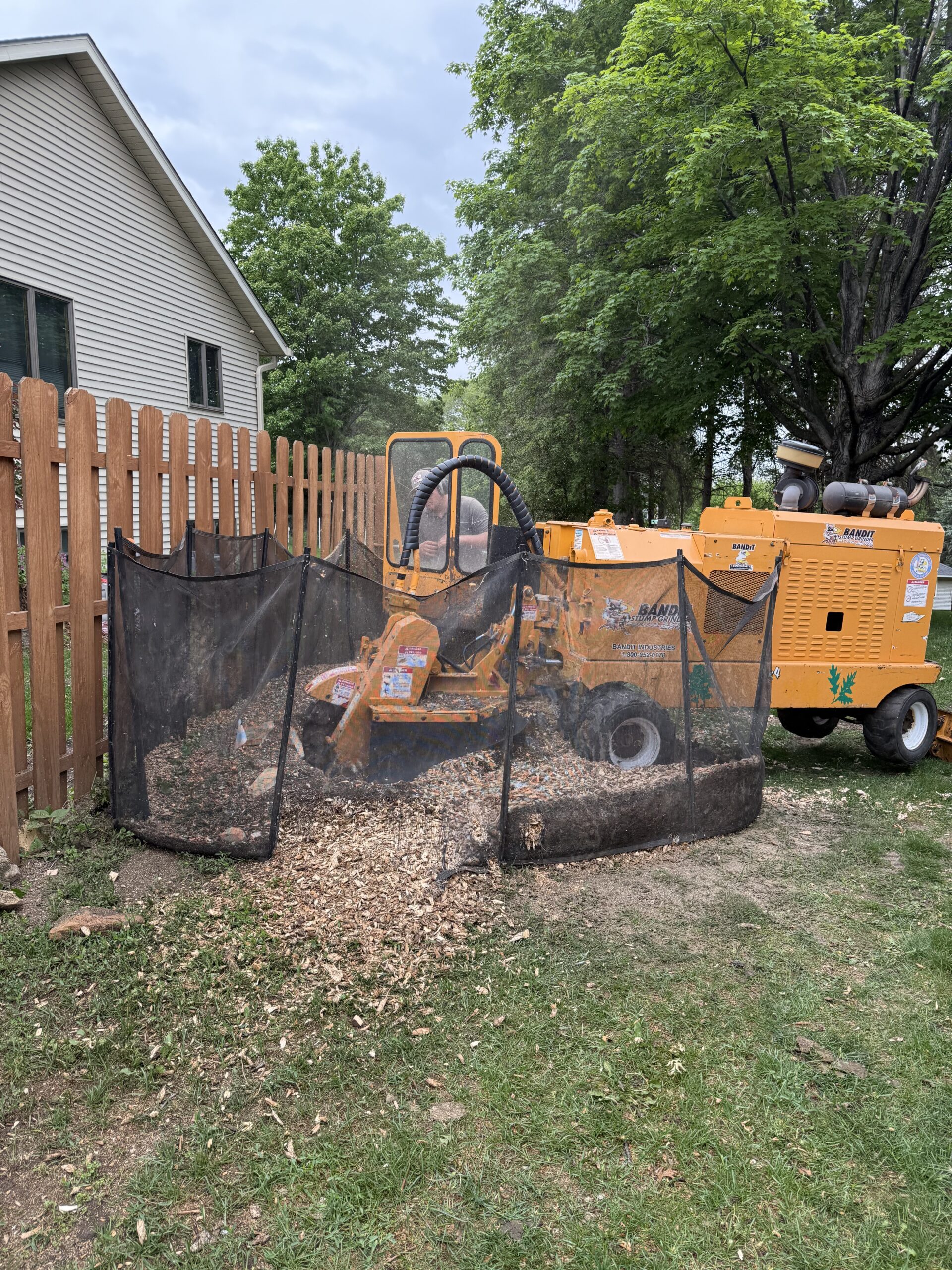
A good tree service in Shakopee listens to the goal, then designs the trim plan around the tree’s structure, not just around your preferences.
To make that clearer, here are a few common scenarios and what they usually require:
These decisions are where professional experience matters. A rushed “trim to the shape you jcjpropertymaintenance.com want” can look great for a few months and then create problems that show up in the next season.
Coordinating tree work with lawn mowing and bed care
Tree trimming changes the yard temporarily. Even when the cleanup is excellent, your mowing patterns and bed maintenance routines can shift for a short period.
If you use a lawn mowing service Shakopee Landscaping service in Shakopee MN regularly, communicate the trim schedule. Mowing right after trimming can be tricky because debris and chip zones can create uneven ground. Also, after a canopy adjustment, you may see immediate changes in sunlight and moisture patterns. Grass might stay greener longer in one area, or thin in another area that now has more direct sunlight.
On the bed side, trimming can affect how quickly leaves accumulate. If you reduce branches that shed heavy foliage into a specific bed, the bed may dry faster and need less constant cleanup. If you open up airflow around shrubs, you may also reduce the conditions that allow certain leaf problems to linger.
This is part of why tree service and landscaping service planning should be connected when possible. Your yard is one system, not a set of unrelated tasks.
When landscape edging and tree roots collide
One practical issue I see often in Shakopee yards: homeowners maintain crisp landscaping edging lines, and then tree growth starts to push into the edges over time. Roots do not grow in neat circles. They seek moisture, and trimming or irrigation choices can influence where roots thrive.
If edging is installed tightly around a tree base without enough space, you can end up with recurring maintenance. You may replace mulch lines, pull back creeping roots, or patch soil where edge pieces shift.
The healthy approach is to treat root zones carefully. Do not cut into thick roots for convenience, especially not without knowing what is safe for that species and size. When you plan edging and bed expansions, a professional landscaping design installation Shakopee crew can often coordinate with tree service decisions so the yard grows without constant repair cycles.
Choosing a tree service in Shakopee: what to look for
You can feel confident choosing a local provider when they ask good questions and explain their approach without rushing you. I usually look for a few signals during a first visit.
A reputable crew talks about why certain limbs should be removed, what the cut will accomplish structurally, and how they will protect the lawn and beds during cleanup. They should also address timing, especially if you are planning landscaping service updates in the same season.
If they are willing to coordinate with lawn care Shakopee needs, such as staying off certain turf areas or scheduling around mowing and edging days, that is a good sign. Tree work affects your yard’s day to day routines, and coordination reduces friction.
Finally, pay attention to communication about risk near buildings or utilities. If they handle the discussion like it is serious, it usually means they are experienced, not guessing.
A small story from the field: the “quiet” branch
A homeowner once called because their backyard seemed fine, no obvious limbs hanging low. They had been raking leaves into the same area each fall, and it looked like simple cleanup.
When we walked around the property, we found a branch on the back side that had been rubbing for a while. It was not broken yet, but the bark was damaged and the attachment looked tight in a way that worried me. We discussed the goals, mostly clearance for future patio use and reducing risk for storm season.
The trim was not dramatic, just targeted. We removed the problematic limb, kept the main structure, and opened airflow through the canopy. The yard looked almost the same from the front after cleanup, but the homeowner noticed two weeks later that the inside of the canopy dried faster and leaves collected less in the bed line. The real payoff came during a wind event later that year, when a weaker limb nearby stayed intact, likely because its stress points had already been managed.
That is the type of value trimming provides when it is done with the tree’s structure in mind, not just the appearance.
Protecting long-term health after trimming
After a trim, the tree is not “finished.” It is responding. Your part is to help it settle in while avoiding practices that increase stress.
In the weeks after trimming, I usually suggest homeowners keep irrigation consistent if they are in a dry stretch, and avoid digging around the base for new plantings or edging adjustments. If your landscape design installation includes new mulch beds, plan carefully so mulch stays off the trunk and does not bury the flare.
Also, do not rush to fertilize heavily right after pruning. If the tree was stressed, a big fertilizer push can encourage weak growth. A smart provider can suggest a general approach based on local conditions, soil type, and the species. When you pair thoughtful pruning with basic lawn care Shakopee schedules, you often see steady improvement without overcorrecting.
The bottom line: a healthier canopy is a safer yard
A tree service in Shakopee is at its best when it treats trees as long-term assets. Safe trimming supports stable structure, improves airflow, reduces risk, and helps your broader landscape plan look intentional instead of constantly “patched.”
Whether you are focused on lawn care Shakopee needs, sharpening landscape edging Shakopee MN lines, or planning landscaping design installation Shakopee updates, tree work fits into that bigger picture. The canopy controls shade, moisture, and the way your yard functions. When trimming is done thoughtfully, it makes everything else easier, from mowing patterns to bed cleanup to how your yard feels during the first storm of the season.
If you are noticing deadwood, crossing branches, or clearance issues that keep creeping back, schedule an assessment. The best time to correct tree problems is before they become an emergency, and in our winters, that timing can make all the difference.
JCJ Landscaping and Snow Removal
7 West Travelers Trail, Unit 391, Burnsville, MN(55337)
(952) 649-6655
jjsnowplowing10@gmail.com
Website: https://jcjpropertymaintenance.com