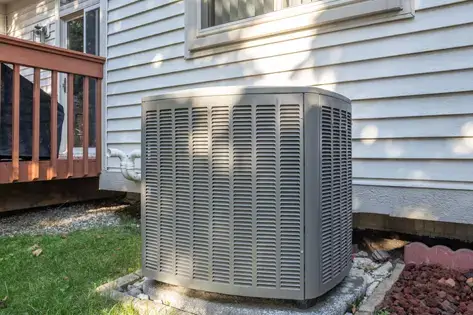
AC Installation in Wood River: Financing Options and Incentives
Installing a new air conditioning system is one of the most effective ways to improve comfort and lower monthly energy bills, but the upfront price can feel daunting. If you live in Wood River, Illinois, there are multiple paths to make that investment manageable. This article lays out realistic cost expectations, the financing choices most homeowners use, incentive opportunities that often get overlooked, and practical steps to decide what makes the most financial sense for your house and your budget. Along the way I draw on field experience: the calls that come in during heat waves, the surprising paperwork that unlocks a rebate, and the few phone calls that saved a neighbor hundreds of dollars.
Why financing matters here and now Wood River sits in a climate that pushes both heating and cooling systems hard. An inefficient or failing air conditioner can spike summer bills and leave a household vulnerable during heat events. Replacing an old unit with a properly sized, high-efficiency system pays back over time through lower energy use and fewer emergency repairs. Financing turns a large, one-time expense into manageable monthly payments, and when combined with rebates or tax incentives the net cost can be substantially lower than it appears at first glance.
What a realistic AC installation will cost Expect wide variation depending on system type, house size, and installation complexity. For conventional central air conditioning in the Wood River area, typical total installed prices usually fall in the range of about $3,000 to $9,000. Smaller homes with simple ductwork might land at the low end, while larger homes, multi-zone systems, or conversions from window units to central systems push toward the high end. If you choose a high-efficiency heat pump instead of a conventional compressor-based air conditioner, installed cost often sits in the higher part of that range but can reduce seasonal energy use noticeably.
Three factors that change the price most
- system efficiency rating and technology; higher seasonal energy efficiency ratios cost more up front but deliver lower bills
- ductwork condition; poorly sealed or undersized ducts add labor and often require repair or replacement
- installation complexity; access, multiple zones, and electrical panel upgrades drive price up
Financing options that homeowners use There is no single best financing route. Your choice depends on how long you plan to stay in the home, whether you value lowest monthly payment or lowest total interest, and whether you qualify for secured lending. Below are the common options, with practical trade-offs.
Manufacturer and https://www.google.com/search?kgmid=/g/1trcgzjl dealer financing Many HVAC manufacturers and local contractors, including firms like B & W Heating & Cooling, offer promotional financing on approved credit. Offers often include interest-free periods, for example no interest if paid in full within 12 months, or low fixed rates for multi-year plans. These plans can be a good fit if you expect to pay off the balance quickly and prefer the convenience of working directly with the installer.
Pros: simple application, payment bundled with installation, promotional 0% offers sometimes available.
Cons: missed payments can trigger retroactive interest, long-term rates can be high if you do not pay during promotion.Personal loan from a bank or credit union Unsecured personal loans are widely available from local banks and credit unions. Rates are typically lower than credit cards and fixed for the loan term. If you have good credit, a personal loan can give predictable monthly payments without tying your home equity to the loan.
Pros: fixed payments, no collateral, can be faster to fund than home equity loans.
Cons: interest rates vary widely depending on credit score; total interest over several years can be significant.Home equity line of credit or home equity loan If you have sufficient equity in your home, a HELOC or home equity loan often provides lower interest rates because the loan is secured by your property. HELOCs offer revolving credit and flexible draws, which can be useful if you pair the AC installation with other home energy upgrades.
Pros: typically lower rates, tax-deductible interest may be possible in some situations but consult a tax advisor.
Cons: the home secures the loan, putting equity at risk if you cannot make payments.PACE and property-assessed programs Some homeowners qualify for Property Assessed Clean Energy programs that allow repayment through an assessment on the property tax bill. Availability is municipal and program rules vary. PACE often covers energy-efficient upgrades and may provide long terms that lower monthly payments. Check whether Wood River or Madison County participates in any PACE program before relying on that option.
Pros: long repayment terms, often available for higher-cost upgrades.
Credit cards for short-term financing High-credit-limit cards can cover the cost when combined with promotional 0% APR offers. Use this only if you are confident you can pay the balance before the promotion ends; otherwise revolving credit interest rates are high.
Pros: fast, no paperwork beyond the card.
Cons: expensive if not paid off within promotional window.Local utility rebates and incentives you should check first Rebates can shave hundreds to thousands off your purchase price and sometimes stack with other incentives. In Illinois, many utilities and energy programs periodically update rebate offerings. The simplest route is to call your utility or visit their website before you sign a contract.
Short list of common incentive types
- manufacturer rebates for high-efficiency equipment
- utility rebates and rebates for installing qualifying thermostats
- regional or municipal programs, sometimes tied to weatherization or duct sealing
- federal energy efficiency tax credits for certain heat pumps and qualifying HVAC upgrades
- other local incentives or seasonal installer promotions
How the incentives stack and what to watch for In practice you can often combine a dealer discount, a manufacturer rebate, and a utility incentive, but order matters. Rebate forms frequently require pre-approval, specific documentation, and completion deadlines. A frequent mistake is buying equipment before confirming the model qualifies for a utility rebate, then finding the paperwork disqualifies the claim. Another common issue is forgetting to submit proof of installation and manufacturer serial numbers. Keep copies of invoices, the installer’s sign-off, and photos of the equipment label.
Navigating federal tax credits Federal tax credits have become more focused on high-efficiency heat pumps and electrification upgrades over the last few years. Tax law and available credits change, bwheatcool.com and eligibility depends on product specifications and installation details. If you hope to rely on a federal credit to lower the net cost, save all receipts and the manufacturer's product specification sheet, and check current IRS guidance or consult a tax professional.
A practical approach to comparing financing offers When you gather quotes, treat financing as part of the procurement process rather than an afterthought. Ask for an itemized invoice showing equipment, labor, permit costs, and any ductwork or electrical work. Request an estimate both for cash purchase and for whatever financing options they offer so you can compare total cost, monthly payment, and penalties for late payment.
A short checklist to evaluate a financing offer
Choosing the right system for value, not just lowest price Lower initial price sometimes masks higher lifetime cost. A unit with a higher seasonal energy efficiency ratio may cost more initially yet reduce utility bills substantially over its lifetime, especially in a climate with hot, humid summers. Sizing matters. Oversized systems short-cycle, increase maintenance needs, and deliver poorer humidity control. Properly sized equipment, careful duct sealing, and accurate refrigerant charge are the interventions that most often decide whether you get the efficiency the label promises.
Common trade-offs and edge cases If you expect to move in two years, you might prioritize the lowest upfront cost because you will not capture all energy savings. If you live in your house for a long time, investing in a more efficient unit and better ductwork often pays back. If your electrical panel is old or undersized, plan for the possibility of an electrical upgrade. That expense can be financed differently and sometimes qualifies for separate incentives.
Working with an HVAC contractor - what to ask When you call "HVAC company near me" or search "HVAC Service Near Me," you want a contractor who explains financing and incentive steps, not one who buries them in fine print. Ask the contractor to help you determine which models qualify for rebates, to complete rebate paperwork when possible, and to provide a clear completion packet with the documentation you will need for any tax credits.
Ask these specific questions
- do you offer financing through a manufacturer or third-party lender, and can you give a sample payment schedule?
- will you handle rebate paperwork and submission?
- do you provide a written load calculation and duct assessment?
- is the warranty contingent on annual professional maintenance?
- can you provide references from homeowners in Wood River with similar installations?
Emergency repairs and the financing connection Emergency AC repair near me searches spike during heat waves. If your system is nearing the end of life, financing a replacement rather than cobbled repairs can be both safer and more cost effective. A severe compressor failure can require immediate action; discuss with your contractor whether a temporary repair followed by planned replacement is feasible, or if financing options exist for an expedited replacement.
A realistic timeline for getting financed and installed If using dealer or manufacturer financing, approval is often immediate or within a few days. Bank loans and HELOCs can take longer, from a week to several weeks depending on underwriting. Permit and inspection timelines vary by municipality; your contractor should handle permits, but plan for at least a week from permit submission to final inspection in many cases. If you need installation before a heat spell, contact contractors early and get financing preapproved.
A final practical story A client in a nearby Riverbend neighborhood called during a July heat wave. Her 20-year-old unit failed and the quoted replacement was about $6,500. She had good credit but not enough cash on hand. The local HVAC contractor arranged manufacturer promotional financing with no interest for 12 months, helped her complete a $400 utility rebate application, and provided a packet of documents for a federal credit that might apply the following tax year. Because she had the 0% option, her monthly payment was lower than the cost of repeated emergency repairs and window units, and the increased efficiency immediately reduced her summer bill. The contractor's willingness to walk through paperwork and present multiple repayment scenarios made the difference between a panicked purchase and a decision she felt comfortable with.
Next steps you can take this week Start by gathering three detailed written estimates from reputable HVAC contractors that serve Wood River, including B & W Heating & Cooling if you want a local option. Ask each for a breakdown of equipment, labor, expected energy savings, and the financing packages they can arrange. Call your utility and ask about current HVAC rebates and qualifying models. If you plan to pursue a federal tax credit, save all documentation and consult a tax advisor who understands energy efficiency credits.
Making the investment pay An AC installation is both a comfort decision and a financial one. With careful comparison shopping, smart use of financing, and attention to rebates and tax credits, you can convert a large upfront expense into a program that fits your cash flow while improving home comfort and lowering energy expense. Local contractors who understand Wood River will guide you through the permits, paperwork, and sizing decisions so that the system you buy performs as promised and the financing you accept feels manageable.
If you want, I can outline specific questions to take to a contractor, draft an email template requesting an itemized quote plus financing terms, or walk through example payment scenarios given a quoted price.
B & W Heating & Cooling
3925 Blackburn Rd, Edwardsville, IL 62025
+1 (618) 254-0645
office@bwheatcool.com
Website: https://www.bwheatcool.com/