
A/C Man Heating and Air’s Guide to Fayetteville Seasonal AC Inspections
Fayetteville weather can swing from humid, sun-drenched days to sudden stormy downpours, and that variability puts stress on residential and commercial air conditioning systems. A seasonal inspection is not a nice-to-have, it is how you protect comfort, limit surprise bills, and extend the life of equipment. Here I share field-tested checklists, judgment calls technicians use every day, common failure modes I see on service calls, and clear guidance on when AC Repair in Fayetteville needs to be a do-it-for-you call versus a do-it-yourself moment. You will read concrete examples and trade-offs, not just generic advice.
Why a seasonal inspection matters
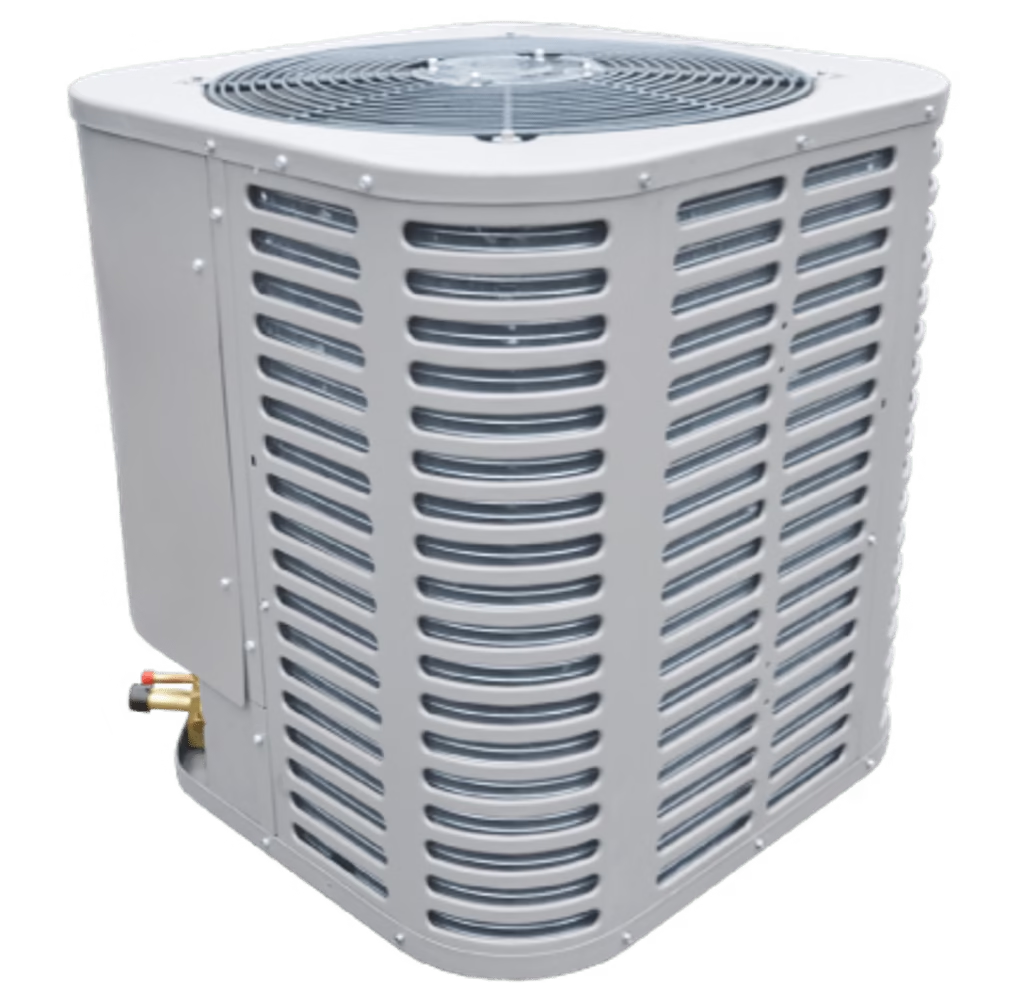
A system that ran fine last summer can leave you sweating when the first heat wave hits, because degradation is gradual and not obvious. I remember one July job where a homeowner assumed a noisy condenser fan was just old bearings. A full inspection revealed a refrigerant leak and a clogged coil; by the time we fixed both, the compressor had suffered heat stress and replacement was required. The inspection alone would have prevented a nine-hundred-dollar compressor and three days without cool air.
Regular inspections catch small problems in time: reduced airflow, early refrigerant loss, failing capacitors, and dirty coils. They also reveal installation issues that never became apparent because the system was only marginally sized to begin with. For Fayetteville homes, where humidity is high, coil cleanliness and proper condensate drainage are critical. Moisture encourages corrosion and microbial growth, which can impede heat transfer and worsen indoor air quality.
What a thorough seasonal inspection covers
A competent inspection covers electrical, mechanical, refrigerant, and airflow systems, plus housekeeping items that affect performance. Here are the principal areas I prioritize during visits and why each matters.
System startup and operating check: I watch the unit come up to operating conditions, measuring suction and discharge pressures when accessible. Those pressures tell me whether the refrigerant charge is within range and whether the compressor is straining. A single pressure reading may mislead, so I log measurements across ten to fifteen minutes to see stability.
Electrical inspection: Loose connections and failing capacitors are among the most common causes of mid-summer breakdowns. I check contactors, fuses, breakers, and the condition of wiring insulation. A capacitor with a 20 to 30 percent loss of microfarads will make the compressor work harder and overheat over time, a detail homeowners seldom notice until the compressor locks up.
Airflow and filters: Filter neglect is the simplest, cheapest problem to fix and one that produces outsized benefits. A dirty filter reduces airflow, which raises evaporator coil temperature and can cause icing or poor dehumidification. I measure return and supply temperatures, note static pressure if I can access the duct system, and confirm that Fayetteville air conditioner maintenance registers are not obstructed.
Coil condition and cleanliness: Outdoor condenser coils in Fayetteville clog with pollen, grass, and dust. A fouled coil reduces heat rejection; the compressor runs longer and wears faster. I visually inspect fins for straightness, clean coils when safe and necessary, and estimate heat routine AC maintenance Fayetteville transfer loss. A coil that looks only moderately dirty might still be costing 10 to 20 percent in efficiency.
Refrigerant circuit: Refrigerant leaks are slow and stealthy. I inspect joints, service ports, and common leak points Fayetteville AC repair services using an electronic sniffer or UV dye when a leak is suspected. Low charge at the start of the cooling season often means a leak developed over winter, not a manufacturing defect.
Drainage and condensate: Clogged drains cause water damage and can trigger overflow switches that shut down the system. I clear the trap, flush the line with vinegar or a manufacturer-recommended treatment, and advise on trap installation if none exists.
Thermostat and controls: Calibration errors, dead batteries, creep in setpoints, or outdated control logic all affect comfort. I check the programming, replace batteries when needed, and test for consistent communication to the outdoor unit.
Ductwork inspection: Leaky ducts can waste 20 to 30 percent of conditioned air in some homes. I look for obvious leaks, disconnected flex runs, and poorly sealed boots. In older Fayetteville homes, attic ducts frequently suffer insulation damage and animal intrusion, impacting performance.
When to call a professional for AC Repair in Fayetteville
Some local emergency AC repair things you can handle: replacing a filter, clearing visible debris from an outdoor unit, or replacing thermostat batteries. But many failure modes require tools, refrigerant handling certification, and electrical expertise. Call a pro when you encounter any of the following signs.
A unit that kicks on and off rapidly, runs without cooling, or produces unusual smells or smoke. Capacitors and contactors carry potentially lethal voltages, and compressor or refrigerant issues require trained service. Similarly, ice on the refrigerant lines or evaporator coil often hides deeper problems such as low charge or poor airflow that need diagnostic gauges and experience to resolve.
If you detect oil residue around fittings or see frost near service valves, that points to a refrigerant leak. Licensed technicians handle refrigerant recovery and repair safely and legally. Also call a pro for noisy bearings, loose fan blades, or when the blower motor draws higher current than specified. Electrical faults are a leading cause of house fires; they are not DIY territory unless you are a licensed electrician.
A practical inspection checklist you can perform before a technician arrives
- Replace or confirm filters are clean and properly sized.
- Clear at least two feet of vegetation and debris from around the outdoor unit.
- Verify that registers are open and unobstructed.
- Check thermostat settings and change batteries if older than one year.
- Turn the unit on, note response, and document any strange noises or odors for the technician.
This short checklist prepares the system and shortens diagnostic time. It does not replace a professional inspection.
Common problems I see and how inspections prevent them
Capacitor failure: Capacitors fail slowly, their capacity dropping 10 to 30 percent over months. Symptoms include slow fan spin, longer runtimes, and hard starts. During inspection I test capacitance and replace capacitors preemptively when they read marginal, because a capacitor replacement is both inexpensive and quick compared with a compressor failure.
Frozen evaporator coil: Often caused by blocked airflow or low refrigerant. On one house call in north Fayetteville we found a misaligned filter rack that allowed air to bypass the filter and choke flow. Once the rack was fixed and the airflow restored, the coil thawed and performance returned to normal. The inspection pointed us to a simple fix that saved the homeowner from a refrigerant charge and a second service call.
Compressor overheating: When the condenser coil is dirty and airflow is restricted, the compressor runs hotter and fails sooner. I check condenser cleanliness, fan motor amperage, and refrigerant pressures. Cleaning the coil and confirming proper fan operation keeps compressor temperatures in the safe range.
Refrigerant leaks: Small leaks reduce efficiency long before temperatures rise enough to notice. During inspections I use a combination of electronic leak detection and visual checks at fittings. If a leak is found, we discuss repair versus recovery and replacement options. For older R-22 systems, cost and availability trade-offs can push a recommendation toward replacement.
Drainage failures and microbial growth: Standing water in the drain pan becomes a breeding ground for mold and bacteria. Not only does that degrade indoor air, it clogs the drain and causes overflow. I flush lines, treat pans, and advise on installing accessible traps and cleanouts to simplify future maintenance.
Making choices: repair, service, or replace
Deciding whether to repair or replace is both technical and fiscal. A thirty-year-old unit that needs a compressor will likely cost more to repair than to replace if you factor in remaining life and efficiency loss. Conversely, a five-year-old system with a failing compressor capacitor is almost always worth repairing.
I weigh three factors: age, efficiency, and repair cost. If a repair exceeds 50 percent of replacement cost and the unit is older than 12 years, replacement makes sense. For systems between seven and twelve years, consider the pattern of past repairs. One-off failures with otherwise solid performance suggest repair. Repeated failures or poor comfort indicate replacement.
Examples help. Replacing a capacitor and contactor on a ten-year-old unit at a cost of $200 to $400 preserves the 12 SEER equipment with a modest investment. Replacing a compressor for $1,200 on a 17-year-old 8 SEER system is often a poor value; modern equipment may be 20 to 40 percent more efficient and provide better humidity control and reliability.
Seasonal timing and scheduling
In Fayetteville, spring is the optimal time for inspections. You avoid peak-season scheduling delays, and technicians can spot winter damage before cooling demand ramps up. A spring visit lets you start the season with a clean coil, proper charge, and tested safety controls. Fall inspections are helpful for heat pumps and for checking heating controls before the first cold snap, but for straight AC systems the pre-summer check is where you get the most value.
Expect scheduling lead time. During early May and late June, service slots fill quickly. If you need AC Repair in Fayetteville, call sooner rather than later. Working with a local company such as A/C Man Heating and Air typically means faster response and technicians familiar with common Fayetteville issues like ground settling, pollen loads, and galvanic corrosion from coastal influence.
What to expect from a reputable inspection service
A professional inspection should be documented. You should receive a checklist or report with measurements taken, issues found, and prioritized recommendations. Good technicians explain trade-offs, present options with costs, and outline the expected energy impact and life-cycle implications of each option.
Beware of companies that pressure you into immediate replacements without diagnostic measurements, or that offer overly cheap inspections that exclude electrical testing and refrigerant checks. A reasonable service includes visual inspection, basic electrical testing, coil cleaning when necessary, filter replacement or recommendation, and a clear write-up.
Efficiency and indoor comfort beyond the inspection
After inspection and service, small upgrades can yield meaningful comfort gains. Programmable thermostats, zone dampers, and improved attic insulation deliver better temperature balance and lower runtime. Sealing duct leaks and adding insulation can reduce compressor run-time by 10 to 25 percent in leaky systems. These improvements are incremental, but they accumulate.
If humidity is the main complaint, check your thermostat's fan setting and the sizing of the system. Oversized units cool quickly but do not run long enough to dehumidify properly. An inspection that reveals frequent short cycling suggests a mismatch. Solutions range from adjusting fan controls and adding a dehumidifier to downsizing or installing a variable-capacity system.
How A/C Man Heating and Air approaches inspections in Fayetteville
We start with the basics: safety first, then measurement. We record voltage and amperage at key components, refrigerant pressures when accessible, and temperature differentials across the evaporator and condenser. We prioritize repairs that prevent imminent failure, then list recommended efficiency or comfort upgrades. When customers face the repair versus replace decision, we present numbers: estimated repair cost, expected remaining life, and potential energy savings from replacement.
A recent job illustrates the process. A family reported rooms that never got cool despite the compressor running all day. Our inspection found a 35 percent refrigerant undercharge and a condenser coil almost caked with grass clippings, obstructing airflow. After recharging, cleaning the coil, and straightening fins, run times dropped by 40 percent and the house reached setpoint consistently. The cost was a HVAC installation Fayetteville few hundred dollars, not thousands, and the system probably gained several years of useful life.
Final thoughts on seasonal inspections
A seasonal inspection is insurance that pays in fewer emergency calls, lower running costs, and longer equipment life. In Fayetteville, where heat and humidity stress systems heavily, inspections are especially valuable. Invest in a spring check, prioritize predictable small repairs, and choose a local service with a clear diagnostic approach. If you have recurring issues, request measured data and a written plan, not just a quote. For reliable AC Repair in Fayetteville and practical, experience-based guidance, look for technicians who show you readings, explain trade-offs, and put long-term performance ahead of quick sales.
If you want, schedule your spring inspection now. A proactive visit typically costs less than a single emergency compressor replacement and saves the frustration of losing cooling during a heat wave. A call to A/C Man Heating and Air gets you technicians who know Fayetteville systems, common problems, and how to keep homes comfortable all summer.
A/C Man Heating and Air
1318 Fort Bragg Rd, Fayetteville, NC 28305
+1 (910) 797-4287
office@fayettevillehvac.com
Website: https://fayettevillehvac.com/