
A/C Man Heating and Air’s Guide to Fayetteville AC Tune-Ups
If your home in Fayetteville feels like a blanket in July, a tune-up is the simplest, most cost-effective intervention before you scramble for repairs. I have worked on hundreds of residential systems across this region, and the same basic truth keeps coming back: regular tune-ups save money, reduce emergency calls, and extend equipment life. This guide walks through what a proper tune-up looks like, why the timing matters in Fayetteville, how much you should expect to pay, and when to call A/C Man Heating and Air for professional help.
Why a tune-up matters here Humidity and frequent heat cycles in Fayetteville place a continuous load on air conditioners. When systems are allowed to run with drifting refrigerant levels, clogged coils, or loose electrical connections, efficiency drops and stress on components increases. The outcome is predictable: higher energy bills, shorter compressor life, and a higher chance you wake up to a hot house on the first weekend of a heatwave. A routine tune-up interrupts that cascade. It is preventive maintenance tuned to local climate realities, not a one-size-fits-all checklist.
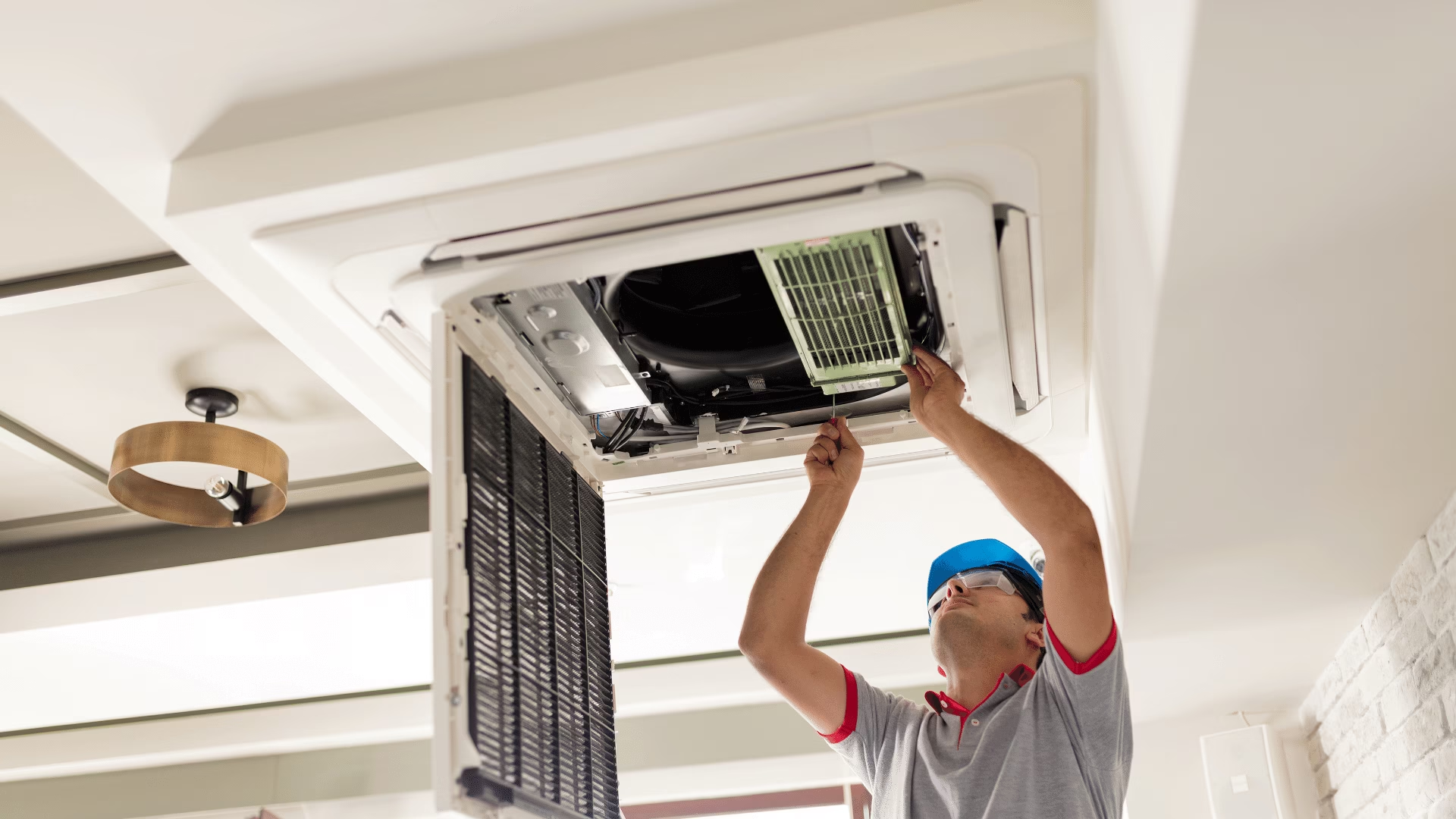
What a thorough tune-up includes A good tune-up is both inspection and targeted intervention. Technicians should do more than swap filters and call it done; they should inspect, measure, adjust, and document. Here are the elements that separate a competent service from a cursory one.
- Visual inspection of indoor and outdoor units for physical damage, corrosion, and debris.
- Clean condenser and evaporator coils when needed, and straighten any bent fins that impair airflow.
- Check refrigerant pressure and temperature split to detect leaks or undercharge.
- Test electrical components, including contactors, capacitors, and breakers, and tighten loose terminals.
- Verify proper airflow by measuring static pressure or at least checking filter condition and duct connections.
- Lubricate moving parts that require it and check fan motors for wear.
- Calibrate thermostat and test system operation through a full cooling cycle.
- Inspect drain lines and pans, clear clogs, and treat for algae if recurring problems are present.
- Provide a written report with recommendations, estimated remaining life of major components, and cost estimates for suggested repairs.
The previous list outlines the bones of a professional tune-up. Technicians from A/C Man Heating and Air typically document readings like refrigerant pressures, line temperatures, and voltage, so you have measurable evidence of system health. Those numbers matter because a compressor that is 15 percent undercharged can draw 20 to 30 percent more current and be three times more likely to fail during a hot stretch.
How often should you schedule a tune-up? For Fayetteville homes I recommend a minimum of once per year for residential systems, timed before the cooling season begins. Most manufacturers and experienced techs recommend two visits for systems over eight years old or HVAC setups with heat pump operation. An annual spring tune-up prepares the system for summer, and an autumn visit readies heat pumps or furnaces for winter. That pattern reduces the risk of mid-season failures and smooths seasonal efficiency.
There are exceptions. If you have pets, a home with high dust levels, or a condensation problem, plan more frequent filter changes and consider semiannual inspections. If your system is less than five years old and under warranty, keep to the manufacturer’s recommended schedule and retain service records to avoid voiding coverage.
Signs you need a tune-up now Some signs are subtle, others are obvious. If you see any of these, schedule service sooner rather than later:
- A steady increase in energy bills without a change in usage habits.
- Short cycling, where the system turns on and off more frequently than normal.
- Weak airflow from vents, or hot spots in rooms that used to be cool.
- Strange noises like rattling, high-pitched squeals, or clattering when the compressor starts.
- Moisture or ice building on refrigerant lines or the outdoor coil.
Addressing problems at the tune-up stage is usually cheaper than waiting for a breakdown. A blown capacitor or a minor refrigerant leak found during a tune-up is typically a fraction of the cost of replacing a seized compressor.
Cost expectations and return on investment Tune-up prices vary based on service depth and company policies, but in Fayetteville expect a range roughly between $79 and $189 for a standard residential AC tune-up. A more comprehensive service that includes coil cleaning, refrigerant testing, and electrical diagnostics can run between $150 and $325. If the technician recommends repairs, those are billed separately. For example, replacing a contactor or capacitor might cost $150 to $300, while a major refrigerant recharge or compressor replacement will be significantly more.
Think of tune-ups as an investment that pays back in three ways. First, energy savings: routine maintenance can improve efficiency by 10 to 20 percent when a system is dirty or improperly charged. Second, fewer emergency repairs and longer equipment life: well-maintained systems regularly last two to five years longer than neglected ones. Third, better comfort and reliability during peak use. When the forecast warns of sustained 90 degree heat, a tuned system is less likely to fail.
A short real-world example A customer in north Fayetteville called during July when their upstairs rooms would not cool. The home was older, with original ductwork and a 12-year-old condenser. On arrival I found the outdoor coil clogged with pine needles and lawn debris, the condenser fan motor drawing higher than acceptable amperage, and the refrigerant slightly low. A two-hour service visit cleared the coil, replaced the fan motor, and topped off refrigerant after checking for leaks. The household reported a 25 percent reduction in runtime and a $60 monthly drop in what had been unusually high summer bills. That kind of outcome is common when you catch problems early.
DIY tasks you can do before calling a pro Homeowners can take a few simple steps that keep systems running well between professional visits. These tasks reduce the strain on equipment and make the technician’s job faster and less expensive.
- Replace or clean filters monthly during heavy-use months.
- Keep the outdoor unit clear of vegetation and at least two feet of clearance around all sides.
- Set the thermostat to sensible levels and avoid dramatic resets that force the system into prolonged high load.
- Check condensate drains periodically and clear visible clogs.
- Note any changes in noise, airflow, or runtime so you can report them to your technician.
These actions do not replace a professional tune-up, but they make each service call more effective and can extend the intervals between needed repairs.

Trade-offs and edge cases Not every system benefits the same way from the same service. If you have a ductless mini split, the tune-up focuses more on indoor unit cleanliness and refrigerant balance per circuit. If your home uses high-efficiency equipment or variable-speed compressors, the diagnostic work can be more involved and sometimes requires manufacturer-specific tools or software. Older systems present another trade-off: spending several hundred dollars on repairs to a 15-year-old unit may not be a wise investment compared with a planned replacement. A trustworthy technician should present repair costs alongside replacement estimates and expected payback, not pressure you into unnecessary work.
For landlords and rental properties, the calculus differs. Regularly scheduled tune-ups reduce tenant complaints and liability, but cost per unit and scheduling logistics matter. Some landlords budget a lower-tier maintenance visit while preserving funds for major overhauls only when absolutely necessary.
What to expect during a professional tune-up A professional tune-up should be methodical and transparent. When a technician from A/C Man Heating and Air visits, expect the following process and communication.
- Arrival and safety check, including system shutdown.
- Clean and inspect outdoor condenser and indoor evaporator access panels.
- Measure electrical conditions at the compressor and fan motor, including voltage and current.
- Check refrigerant pressures and superheat or subcooling as appropriate for the system.
- Inspect and clean drain lines, and run condensate removal tests.
- Test thermostat calibration and control wiring.
- Run the system through a full cooling cycle while monitoring pressures and temperatures.
- Provide an itemized report with measured values, observed defects, and prioritized recommendations.
That transparency matters. If a tech reports a low refrigerant charge, ask for the pressure numbers and a clear explanation of whether the leak is active or a one-time undercharge. If an electrical component is immediate AC repair near me showing marginal values, get a suggested timeframe for replacement rather than a vague warning.
When a tune-up turns into a repair It is common for a tune-up to reveal parts that are near failure. Capacitors commonly degrade with age and heat, contactors stick after millions of cycles, and motors eventually lose lubrication or develop worn bearings. The decision to repair on the spot depends on the severity and your budget. When repairs are simple and inexpensive, addressing them during the visit prevents repeat trouble. For expensive items like compressors, a technician should explain the options: a temporary repair, a full replacement, or a phased upgrade. Always ask for parts warranty details and labor guarantees. Reputable companies will stand behind their work with at least a 30 to 90 day warranty on service calls and longer parts warranties as offered by manufacturers.
How tune-ups fit into long-term planning If you plan to keep air conditioner repair Fayetteville your home for the next five to ten years, regular maintenance is the cheapest path to comfort and predictable costs. Keep a service log with dates, measured values, and parts replaced. That documentation helps when selling a home and makes warranty claims straightforward. If your system is aging toward the end of manufacturer life, use tune-up reports to time a replacement strategically, rather than reactively replacing parts as they fail.
Why choose A/C Man Heating and Air Selecting a service provider matters as much as the tune-up itself. Technicians should be licensed, insured, and experienced with local climate conditions and common home builds in Fayetteville. A/C Man Heating and Air focuses on measurable diagnostics, clear pricing, and written recommendations. In practice that means we bring calibrated gauges, amperage clamps, coil-cleaning equipment, and the experience to interpret data against local norms. We also document readings so customers can compare year to year and see the tangible benefits of maintenance.
How to prepare for a visit Make the visit efficient and safe by clearing access to the indoor unit and outdoor condenser, noting any pets, and adjusting thermostats to the typical occupied setpoint before the technician arrives. If you have unusual duct layouts, blocked vents, or recent renovations, mention that up front. If you prefer a service window, schedule early morning slots before heat builds to catch the system at the end of a full cooldown cycle.
Final practical checklist Before I close, here is a short checklist you can keep on the fridge and use to evaluate any company you consider for tune-ups. These are the red flags and green lights that have made the difference in my work.
- technician shows up on time with identification and written scope
- company provides itemized written report and measured readings
- technician uses proper tools for electrical and refrigerant diagnostics
- clear estimates and warranty on parts and labor are provided
- proactive but not high-pressure recommendations for repairs or replacement
If a provider lacks these basics, look elsewhere. You want accountability and traceable data, not vague assurances.
A practical schedule to follow For most Fayetteville households, follow this rhythm. Spring tune-up focused on cooling readiness, filter and airflow checks monthly during heavy use, and an autumn visit for heat pumps or furnaces. For older systems add a mid-season check or sign up for a maintenance plan that schedules technicians automatically, often with priority service during heat waves and discounts on parts.
Closing thought without fluff A tune-up in Fayetteville is not optional if you value comfort and predictable operating costs. It is preventive medicine for your HVAC system, and the benefits compound through lower energy use, fewer emergency repairs, and longer equipment life. When you need a service partner that documents findings, explains options, and respects your time and budget, A/C Man Heating and Air is set up to deliver that level of care. Schedule a tune-up before the heat hits, and you will be glad you did.
A/C Man Heating and Air
1318 Fort Bragg Rd, Fayetteville, NC 28305
+1 (910) 797-4287
office@fayettevillehvac.com
Website: https://fayettevillehvac.com/